
Welcome to ANDTL!
Empowering safety and reliability, one inspection at a time.
ANTL is a premier provider of advanced nondestructive testing (NDT) solutions, committed to ensuring the integrity and reliability of critical assets across diverse industries.
Find out more about
Who we are
NDT Services & solutions
Our projects and Services
Mechanical & engineering
Our expertise


Request a quote or site visit
Contact us at info@andtl.com or (902) 804-2638 (ANDT)

Services Offered
Our Services
Liquid Penetrant (PT)
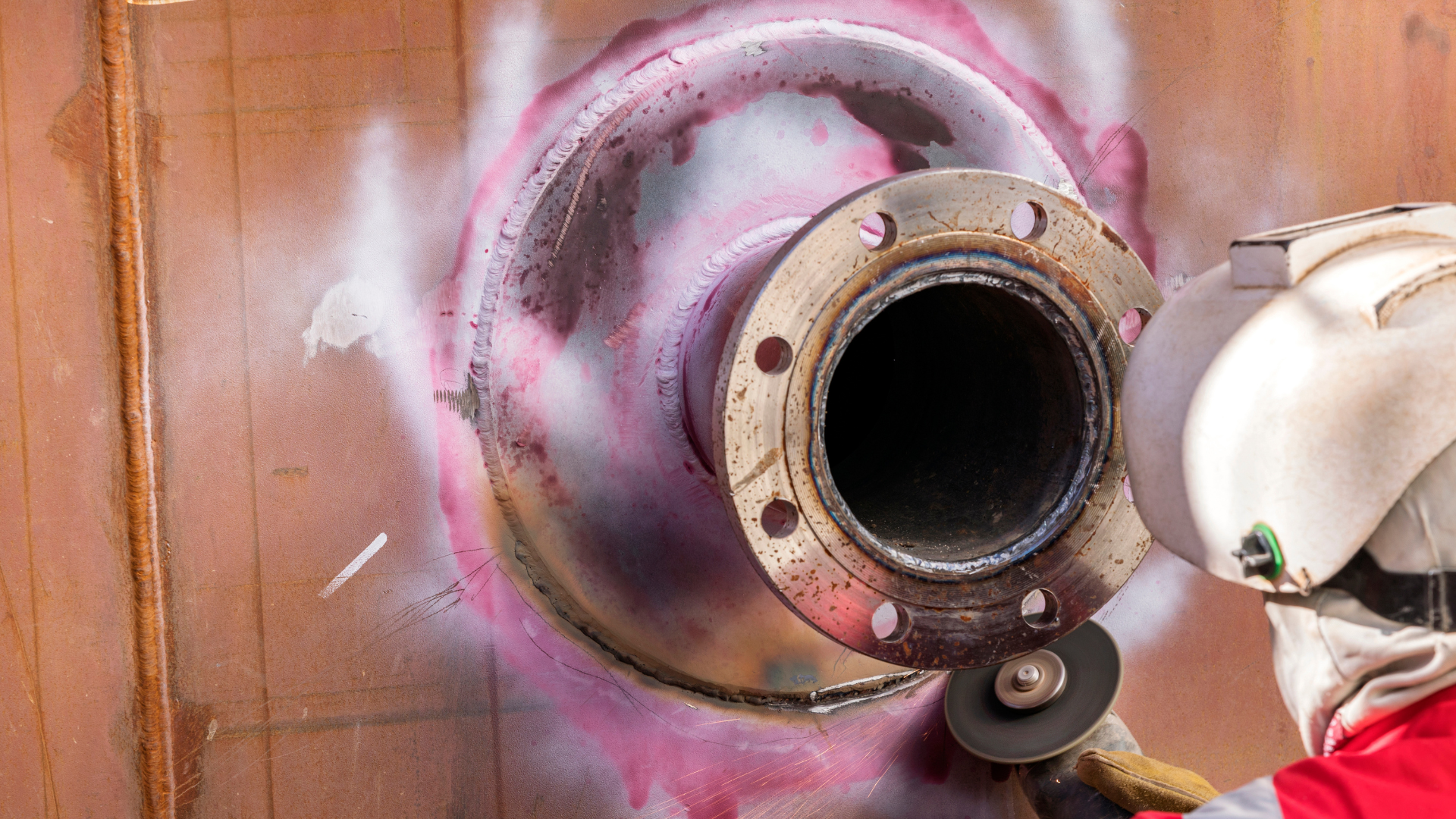
Liquid Penetrant Testing (PT) is a widely employed non-destructive testing (NDT) method utilized to detect surface-breaking discontinuities in non-porous materials. The process involves applying a liquid penetrant to the component surface, allowing it sufficient dwell time to penetrate into any surface-breaking discontinuities, followed by the removal of excess penetrant and the application of a developer which effectively draws the trapped penetrant out, creating a magnified indication of the flaw. This technique is indispensable across various industries such as aerospace, automotive, and general manufacturing for identifying critical surface imperfections like cracks, laps, porosity, and seams that could compromise component integrity and performance. Ultimately, PT remains a crucial and versatile method for ensuring the structural integrity and safety of components by effectively revealing critical surface defects.

Magnetic Particle (MT)
Magnetic Particle Testing (MT) is a widely employed non-destructive testing (NDT) method specifically designed for the detection of surface and near-surface discontinuities in ferromagnetic materials. The technique involves magnetizing the component, causing any such flaws (e.g., cracks, laps, inclusions) to create a leakage field that extends beyond the material’s surface. Finely divided ferromagnetic particles, applied either dry or suspended in a liquid carrier, are then attracted to these leakage fields, accumulating to form visible indications directly over the discontinuities. This highly effective and relatively rapid method is indispensable for assessing the integrity of critical components across various industries, ensuring safety and preventing premature failure.
Ultrasonics (UT)
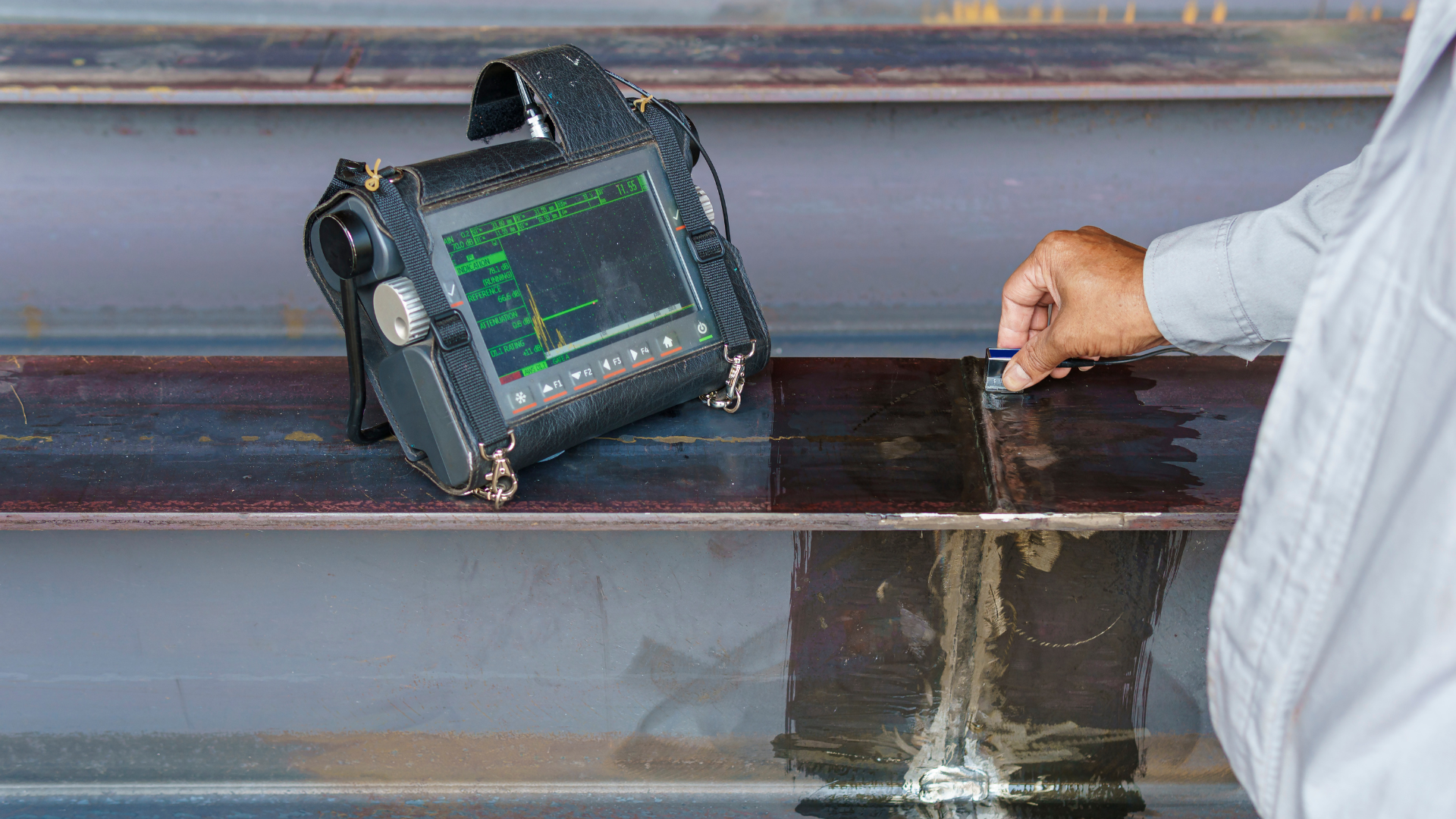
Ultrasonic Testing (UT) is a widely utilized non-destructive testing (NDT) method essential for evaluating the integrity of materials and components across numerous industries. This technique employs high-frequency sound waves, typically above 20 kHz, which are transmitted into a material and reflect off internal discontinuities or the back surface. By analyzing the time-of-flight and amplitude of these reflected waves, trained technicians can precisely locate and characterize flaws such as cracks, voids, delaminations, and accurately measure material thickness. Its application spans critical sectors including aerospace, oil and gas, power generation, and manufacturing, where it ensures structural reliability and adherence to stringent quality standards. Consequently, UT stands as a cornerstone in quality assurance and predictive maintenance programs, significantly contributing to operational safety and the extended lifespan of assets.
Eddy Current (ET)
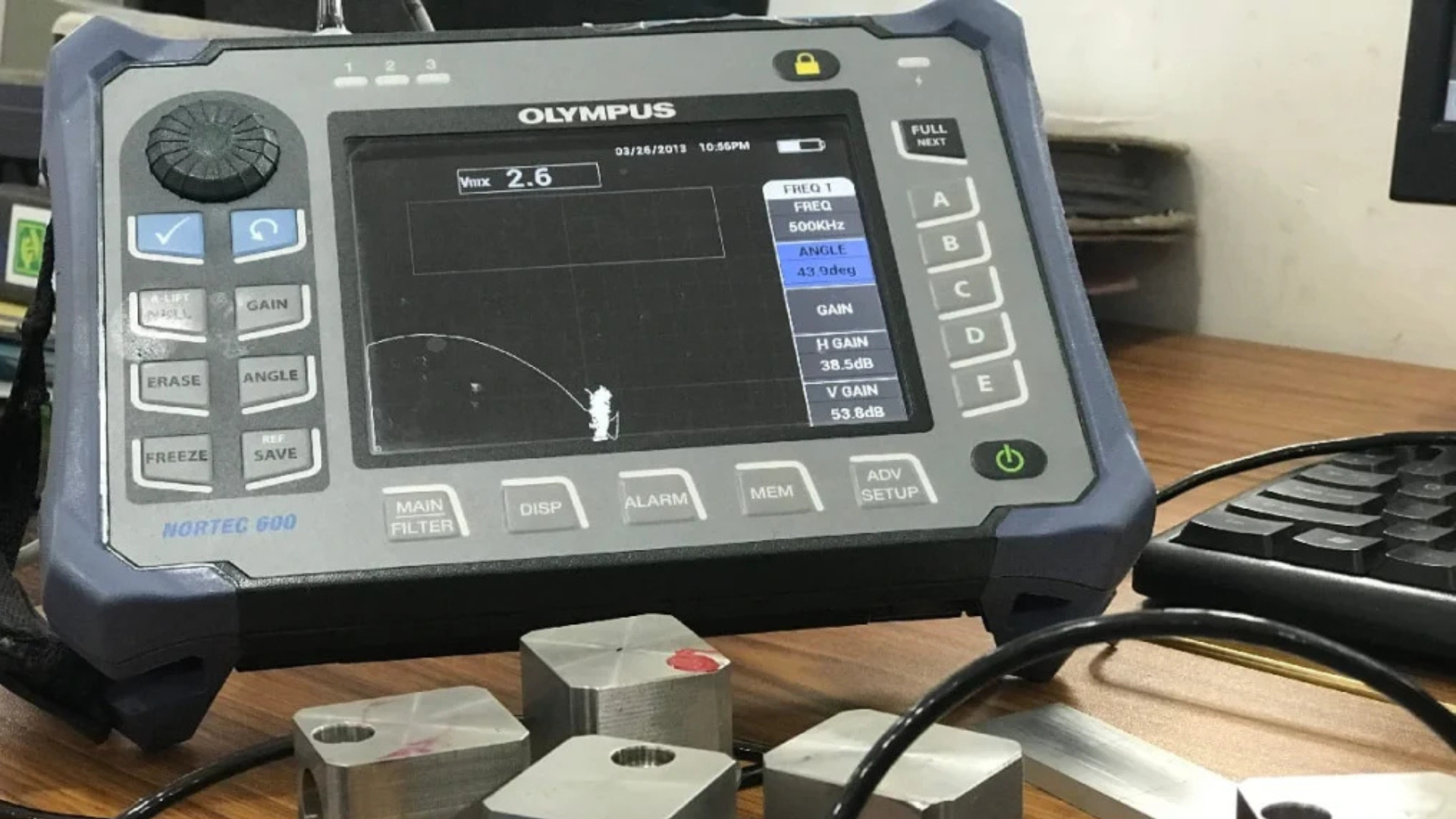
ddy Current Testing (ET) is a widely utilized electromagnetic non-destructive testing (NDT) method that relies on the principles of electromagnetic induction to detect surface and near-surface discontinuities in conductive materials. An alternating current flowing through a probe coil generates a primary magnetic field, which in turn induces eddy currents within the test material; variations in the material’s electrical conductivity, magnetic permeability, or the presence of defects disrupt the flow of these eddy currents, altering the impedance of the primary coil. This change in impedance is then measured and analyzed, enabling the detection of cracks, corrosion, thinning, and material property variations in applications ranging from aerospace components to heat exchanger tubing. ET is particularly effective for inspecting thin-walled structures, fastener holes, and complex geometries, offering high sensitivity, speed, and suitability for automation. Its capacity to provide rapid, reliable inspection results makes ET an indispensable tool for quality control, predictive maintenance, and integrity assessment across numerous industries.
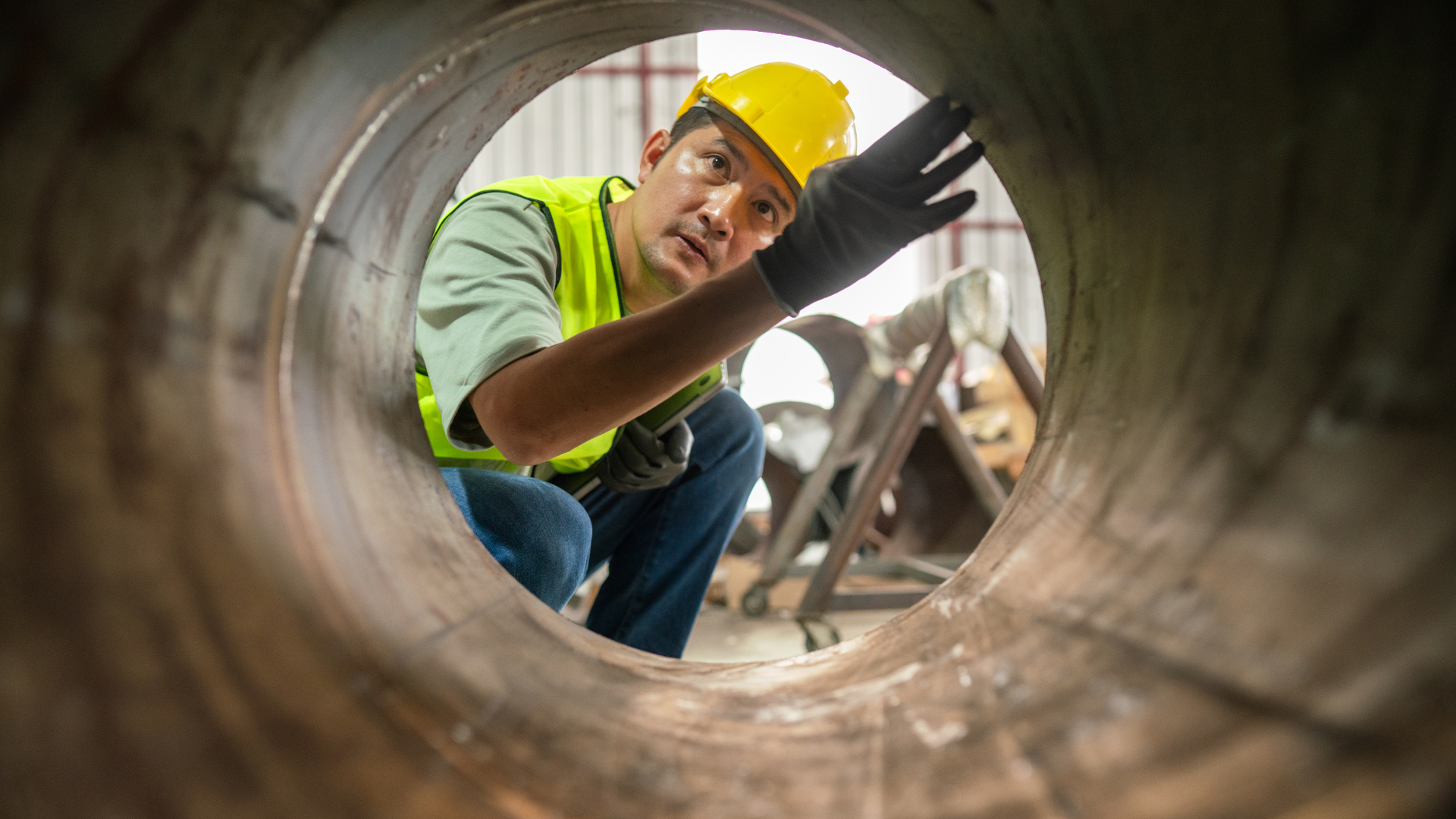
Visual Inspection (VT)
Visual Inspection (VT) stands as a foundational and highly versatile non-destructive testing (NDT) method, essential for evaluating the surface condition of materials and components. This technique primarily involves the meticulous observation of an item, either with the naked eye or through optical aids such as magnifiers, borescopes, or video probes, to detect and characterize surface discontinuities like cracks, corrosion, weld defects, and misalignments. VT is frequently the initial and most cost-effective step in any comprehensive inspection plan, providing critical information for quality control, fitness-for-service assessments, and regulatory compliance across diverse sectors including manufacturing, aerospace, energy, and infrastructure. Its efficacy relies heavily on the skill and certification of the inspector, whose expertise in identifying relevant flaws directly impacts safety and operational integrity. Consequently, Visual Inspection remains an indispensable tool for ensuring the reliability, quality, and longevity of engineered structures and systems worldwide.

NDT Consulting Services
Offering NDT consulting services backed by over five decades of unparalleled experience provide an invaluable asset to industries prioritizing safety, integrity, and efficiency. This extensive tenure translates into a profound understanding of diverse materials, complex inspection challenges, and the intricate evolution of global industry standards, including ASME, API, and AWS codes. Clients benefit directly from a historical perspective on technological advancements, proven methodologies for risk mitigation, and innovative solutions to the most demanding non-destructive testing requirements, ensuring not only compliance but also optimized operational performance. Ultimately, over 50 years of specialized NDT consulting experience stands as a testament to deep-seated expertise, unwavering reliability, and an enduring commitment to excellence in safeguarding critical assets and infrastructure.
ANDTL
Certifications

ANDTL Certifications
ANDTL is certified to perform your required services
- CGSB and SNT-TC-1A Certified Technicians
- Workplace Safety Certified: Fall Arrest
- Workplace Safety Certified: Confined Space
- Workplace Safety Certified: Forklift
- Workplace Safety Certified: MEWP
- Workplace Safety Certified: WHMIS
- Construction Safety: First Aid
- Construction Safety: Leadership Safety
Subcontractors
ANDTL Expands Services Offerings
Utilization of subcontractors exapands ANDTL’s ability to offer an increased range of services. Structural, Enviornmental and Civil Engineering, Electrical and Project Management Services, Ground Penetrating Radar, Locating Services, Concrete Assessment Services, Drone Services can be offered.

INDUstry exerience
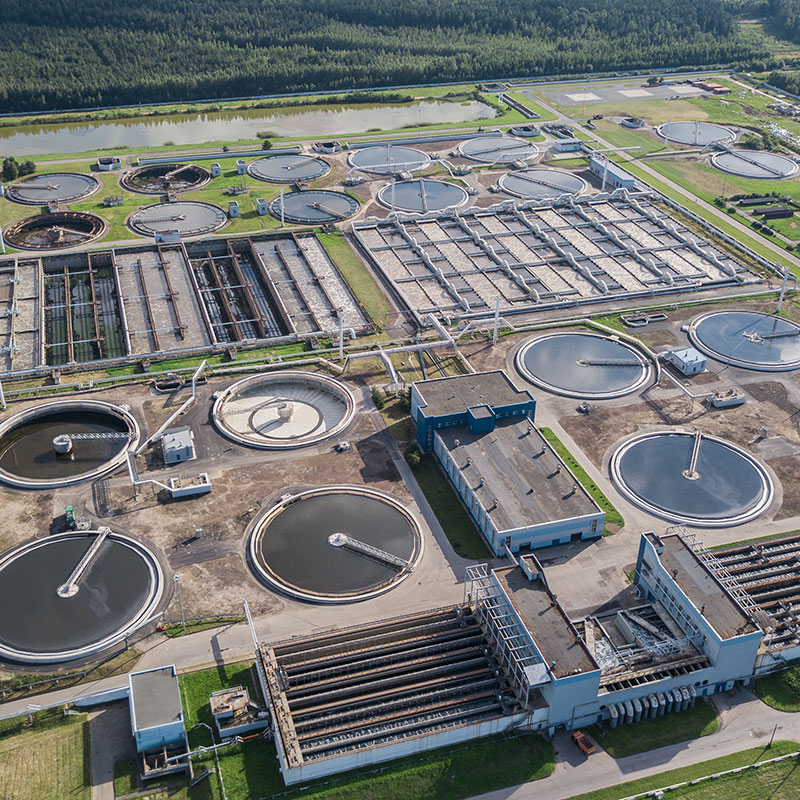
ANDTL works in many industries
- Airports
- Shellfish Processing Plants
- Tire Processing Plants
- Power Distribution Plants
- Power Plants
- Nuclear
- Wastewater Plants
- Water Treatment Plants
- Lake Water Supply Plants
- Waste Management Facilities
- Heavy Civil Construction
- Mining
- Snow Processing Machinery
- Hospital Utilities
- Pulp and Paper Plants
Building the future
Our Projects

Fabrication Facilities
CWB Visual, MT, ET and UT on various assests as required by our clients.
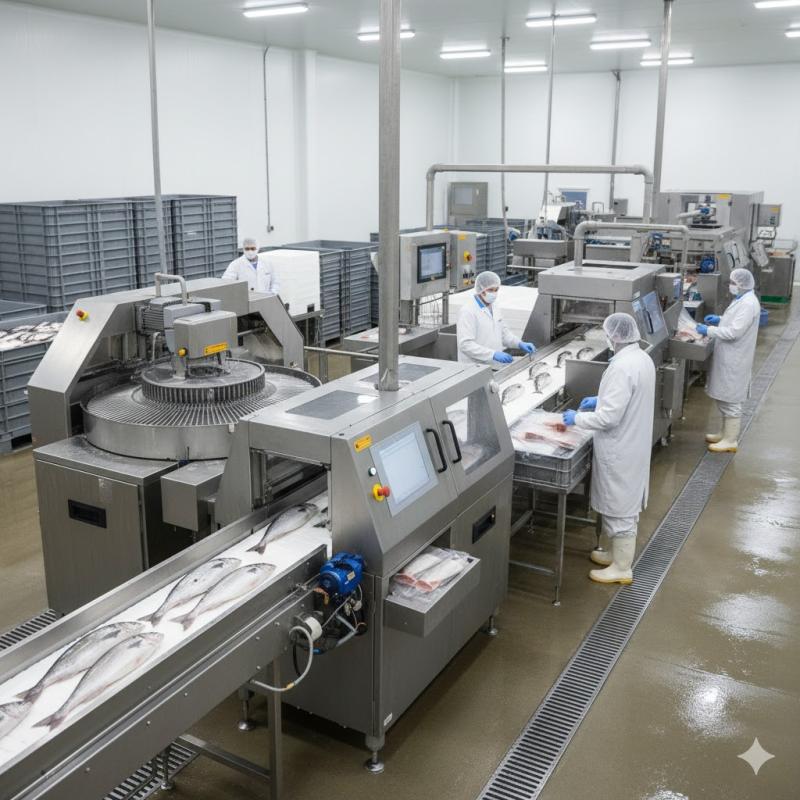
Shellfish Processing Plant
Piping rack visual inspections. Hardness testing on fishing boats.
Water Treatment Plant
Piping inspection surveys. Floursecent Leak Testing.
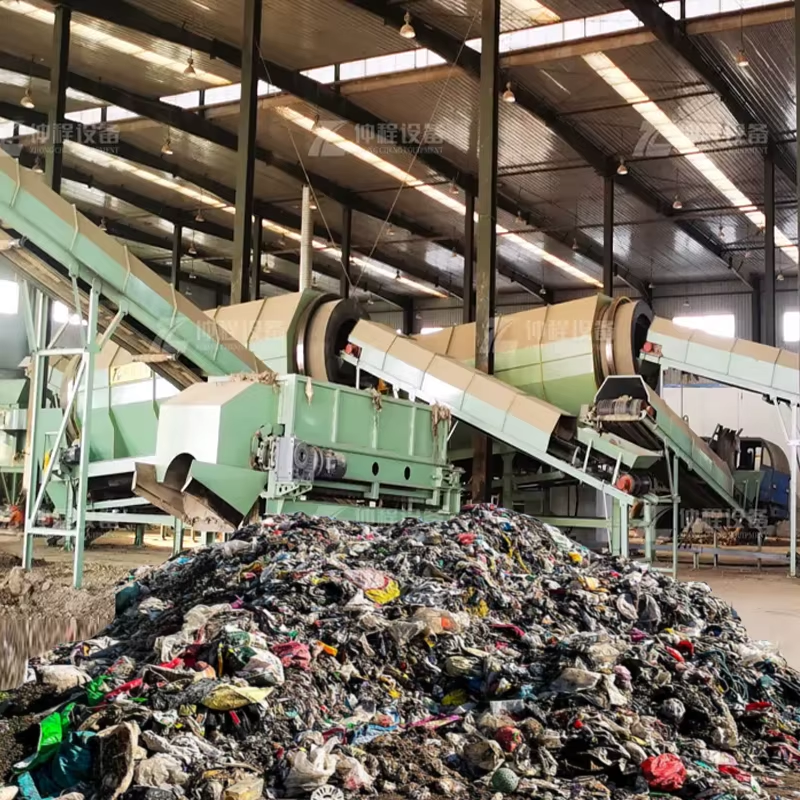
Waste Management Facility
Radiation detection to find the source within waste containers

Mining Facility
Crane inepctions – visual, UT and MT (hooks, pins and welding checks)